
Fake Degrees and Their Consequences: A Comprehensive Analysis
A lot of people buy fake degrees to enhance their resumes. Others are hoping to take a few steps in the corporate ladder, without the time and energy to climb the higher ranks.
Companies who employ employees with fake degrees risk reputational damage and loss of trust from customers or customers who value honesty. The companies also risk legal liability and financial sanctions.
Public Perception
Some people feel pressured to acquire fake degrees to compete for well-paying jobs and promotions. Others might use them to avoid paying tuition rates at legitimate universities. Whatever the motive, fake credentials pose a threat for both businesses and individuals. They also compromise the legitimacy of hiring procedures and threatening the reputation of institutions that provide false credentials.
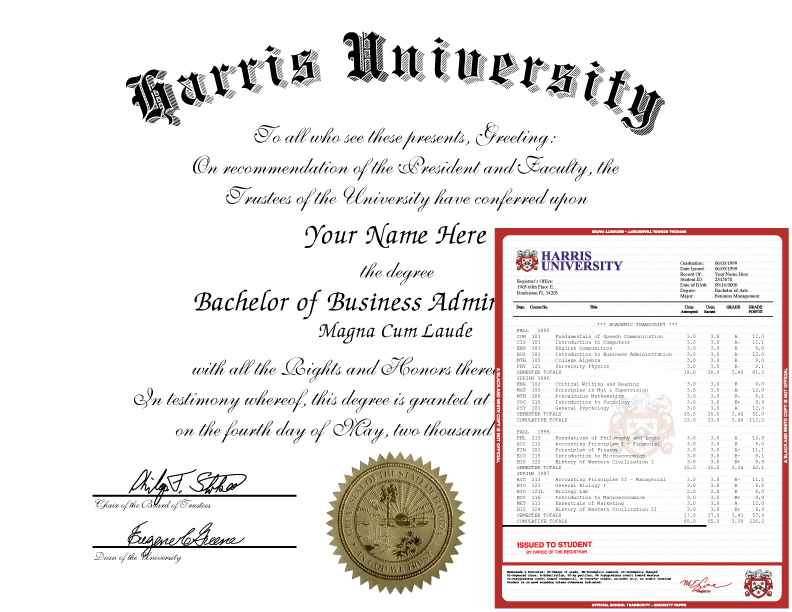
The increasing popularity of the fake diploma market is due to the ease in which consumers can buy high school, college or university diplomas on the internet. These websites include authentic elements such as seals of institutions and registrar’s signatures. They also feature certificates, logos and certificate numbers. Certain websites also have photos taken at graduations to give the impression that the diplomas were issued by legitimate universities.
Verifile, an firm that verifies academic credentials claims that some employers don’t verify the authenticity of applicants’ degrees. This leaves them open to fraudulent activity, such as when a person who has claimed a degree from a bogus institution is found to be doing something risky or illegal at work.
In such instances, the employer may be held accountable for any injuries caused by employees who are dishonest. For example, a doctor with a fake diploma who is not licensed could cause someone to become seriously ill.
Study on Academic Credentials
It was difficult to determine the value of non-degree qualifications until recently. The Lumina Measuring Alternative Educational Credentials is a first-of-its-kind study that gives an education community a unique overview of the world of professional certificates, badges and other non-degree credentialing, as well as their connection to job market results.
The study reveals that these credentials, which are mostly unnoticed by the general public, can be valuable and browse here now https://lambang247.pro/. On average, people with an alternative credential are more successful than those who don’t hold an equivalent credential at any level of education below the bachelor’s level.
More than two-thirds of surveyed institutions offer an alternative credential and most of those offering them are growing their options. This study suggests that students are prepared and willing to invest in alternative credentials as they seek flexible options for improving their skills and becoming more employable.
The study also shows that the majority of higher education administrators believe that micro-credentialing is going to become a part of their institution’s curriculum and that they are increasingly using these alternative credentials to encourage students in different ways and offer more relevant, industry-oriented education. The use of micro-credentials at the scale that they are currently being held back by the obstacles. Around a third (32 percent) of respondents said their institution did not have a micro-credentials policy. This is a decrease from 22% in 2020. Additionally, there are still issues with recognition and quality assurance although they are less severe than in 2021.
Effect of fake degrees on employment
The booming fake degree industry is now a global problem. According to the National Student Clearinghouse, it is a multi-billion dollar business that offers fake academic credentials.
Many will attempt to get a fake degree for a variety of reasons. Credentialism is the most frequent motive employers will require the completion of a degree to fill specific positions, which may be challenging for real candidates to satisfy. Another motive is the signaling function of degrees – they indicate success and social status in a society that is based on position (see Solnick and Hemenway for an analysis).
It isn’t easy for companies to track degree mills or forgeries. But there are a few methods they can employ to limit the risk. Engaging a third party service that specializes in background checks and credential validation is a method to lessen the risk. These services provide expert insight as well as additional resources to conduct thorough verifications.
Other actions that businesses can do is conduct thorough interviews and reference checks, and also to scrutinize the credentials of an applicant’s academic background. Additionally, it is important to train HR professionals on the warning signs that could indicate a potential forgery or fraud. Lastly, companies can make investments in technology to speed up the process of verification. This will make it easier for them to spot fraud in the academic world. This is the only way to ensure that the firm recruits the top talent available and does not lose its credibility due to the negligence of its employees.
Diploma Mills and Fraudulent Degrees
A diploma mill is a company that provides fake degrees, without any prerequisites for work or examinations. It operates through small or online offices and offers degrees that appear authentic. They often promise credit for life experience or a review of an individual’s work experience, and they use names that are uncannily identical to the well-known universities.
It is evident that business is flourishing, primarily because of the desire to advance in their career and get a job faster. This is particularly true for those who live in countries that are developing. They are attracted by the idea of an American-sounding diploma. These individuals are also willing to pay higher prices for the convenience of obtaining an education over the traditional path.
A fake diploma can have significant consequences, both for the individual as well as for society. Selling fake credentials is largely unstudied despite its vast extent. To reduce the impact of this illegal practice, the authorities must consider several strategies.
Credential evaluators, like, and staff in human resources, for instance, should be able to examine each credential to be on the lookout for indications of fraud. This issue should be made clear to them, as well as the importance of checking educational credentials. This must be done with the help of the school’s record department. Additionally, it is vital that legislation be passed that makes it illegal to have fraudulent degrees within the United States, with appropriate sanctions.